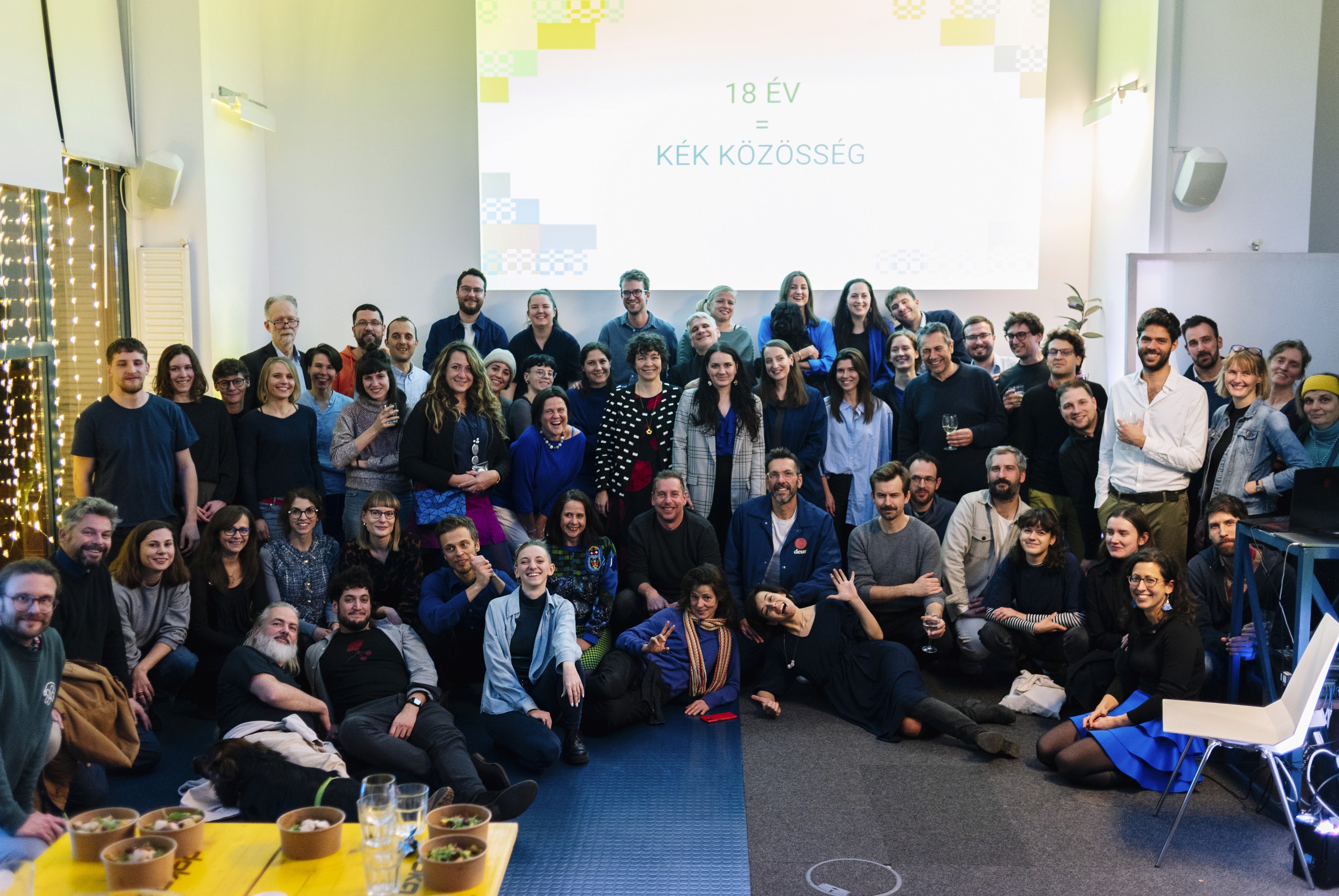
This is the KÉK
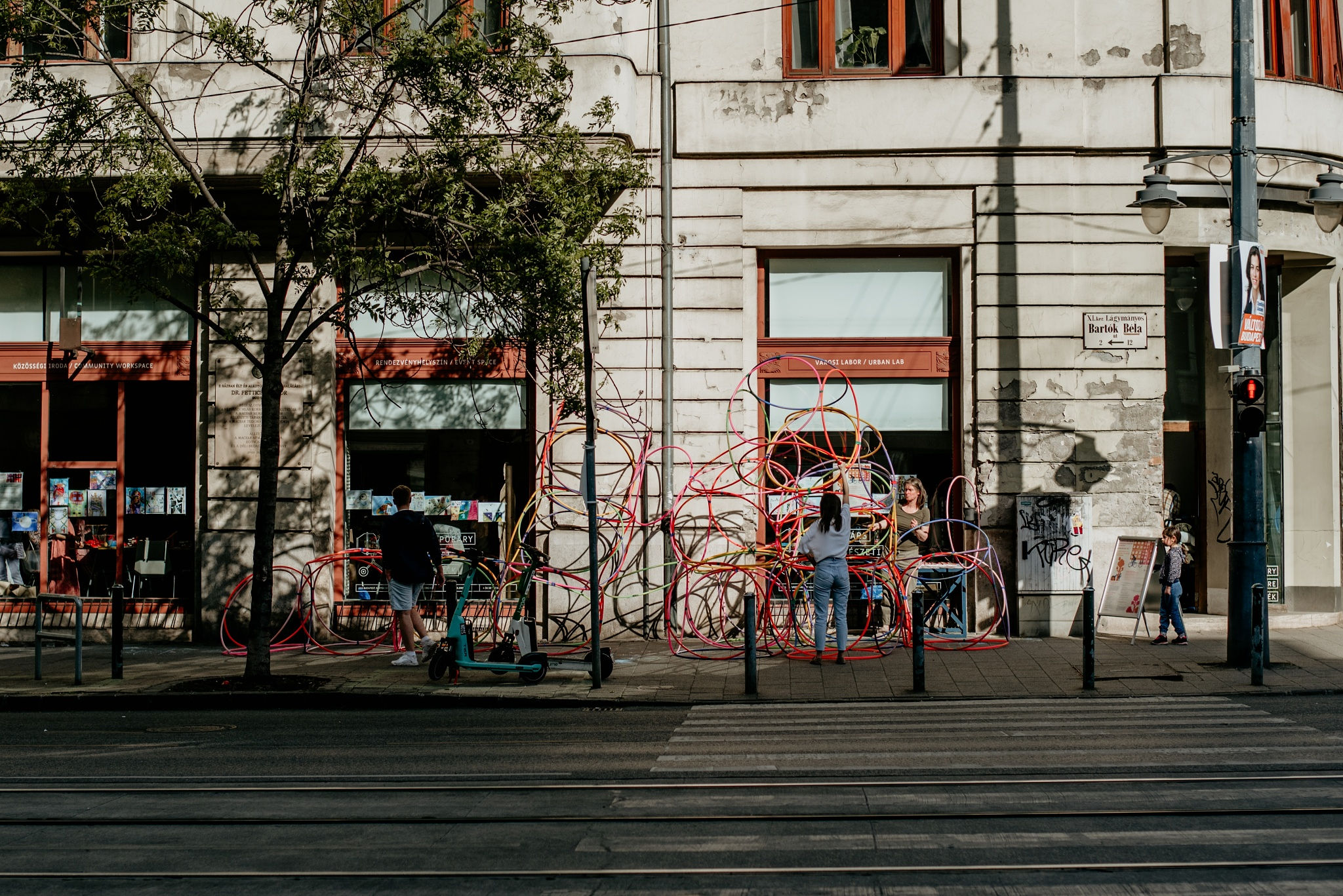
This is the KÉK
The Contemporary Architecture Centre shapes the future of the city: as an independent cultural institution, it redefines how we live, build, and think in space. Through its programmes, it connects professionals and the general public, inspires urban dialogue, and provides a space for experimentation.
Our Services
Community Development
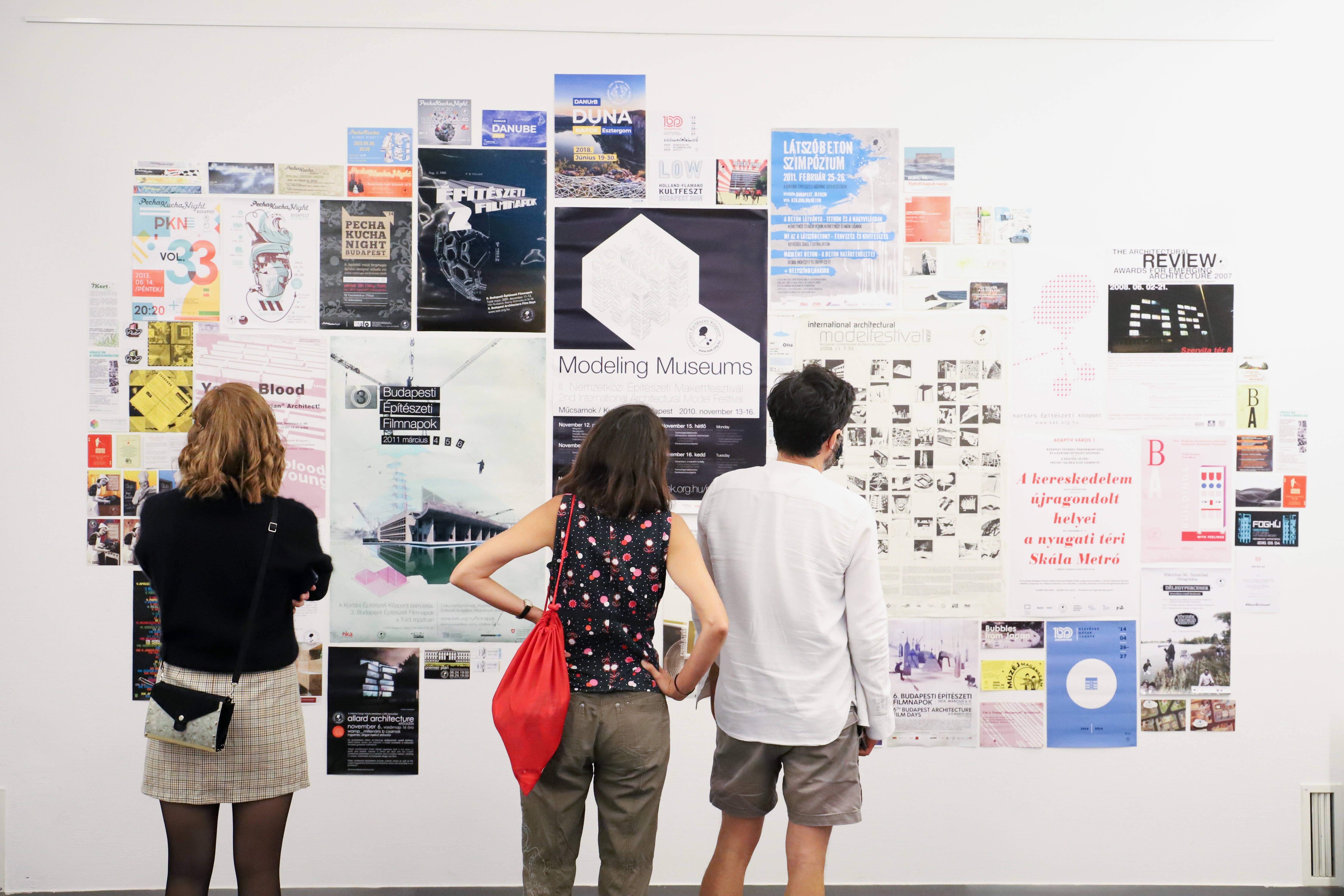
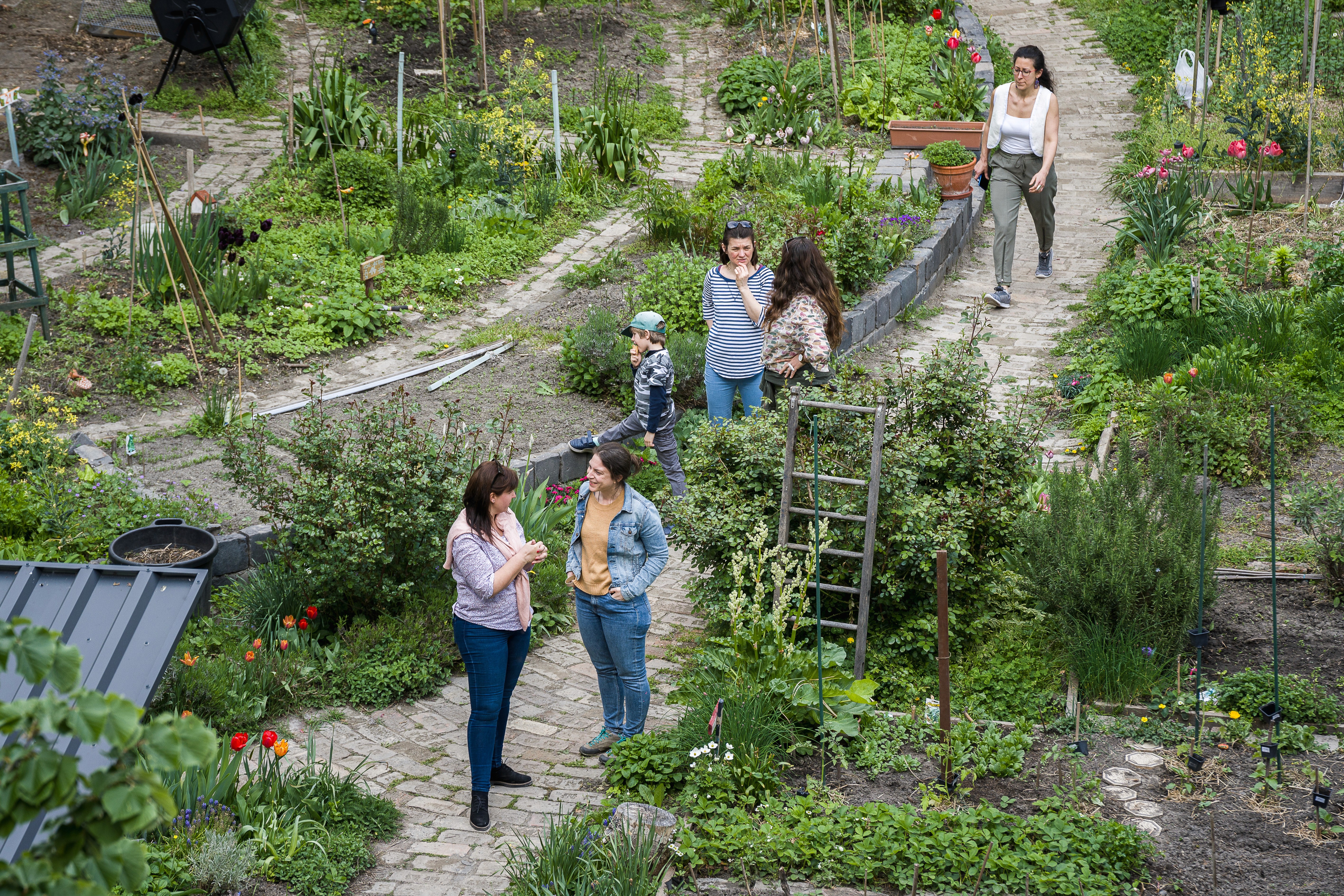
Through its programmes and research, KÉK is committed to involving a wide range of stakeholders in the reimagining of our urban districts. Numerous KÉK projects contribute to the formation of sustainable urban communities, whether it's the Community Gardens organised in revitalised neighbourhoods or the Budapest100 festival, which mobilises thousands of city dwellers and volunteers. Relying on our local knowledge and international experience, we undertake
preparation of community-based rehabilitation projects,
the needs assessment of local stakeholders (residents, private sector, businesses),
preparation of community-based rehabilitation projects,

Research and professional consulting
KÉK operates in an expert and opinion-forming capacity in cooperation with municipalities, universities, research institutes, and professional media outlets. The board members often contribute to the development of urban development programs, action plans, and the preparation of integrated urban development strategies. They also write critiques, studies, and compilations for various Hungarian or international media outlets upon request.
Our Mission
KÉK's Vision
Reinterpreting the cultural and social role of architecture and promoting the international recognition of contemporary Hungarian architecture and architects.
The Mission of KÉK
Operating a defining, independent, and open architectural centre that aims to advance the education, understanding, and development of architecture in the widest possible professional and non-professional context.
The Goals of KÉK
Initiating dialogue about architecture, the city, and its culture, as well as the built environment both within and outside the profession, integrating contemporary Hungarian architecture into the international cultural scene, institutionalising collaboration between architecture and other disciplines, supporting initiatives with similar objectives, providing relevant and up-to-date professional information, and supporting broad-based education in architecture.
The KÉK Manifesto (2006)
Architecture needs to be shifted towards the centre of public interest. KÉK conveys architectural culture to an interested professional audience and the general public through exhibitions and related events. Architecture is not an isolated construction task but an integral part of cultural, economic, social, and political processes. It is important to strengthen the integration of Hungarian architecture into international currents.
Activities of KÉK
Urban Use, Urban Rehabilitation
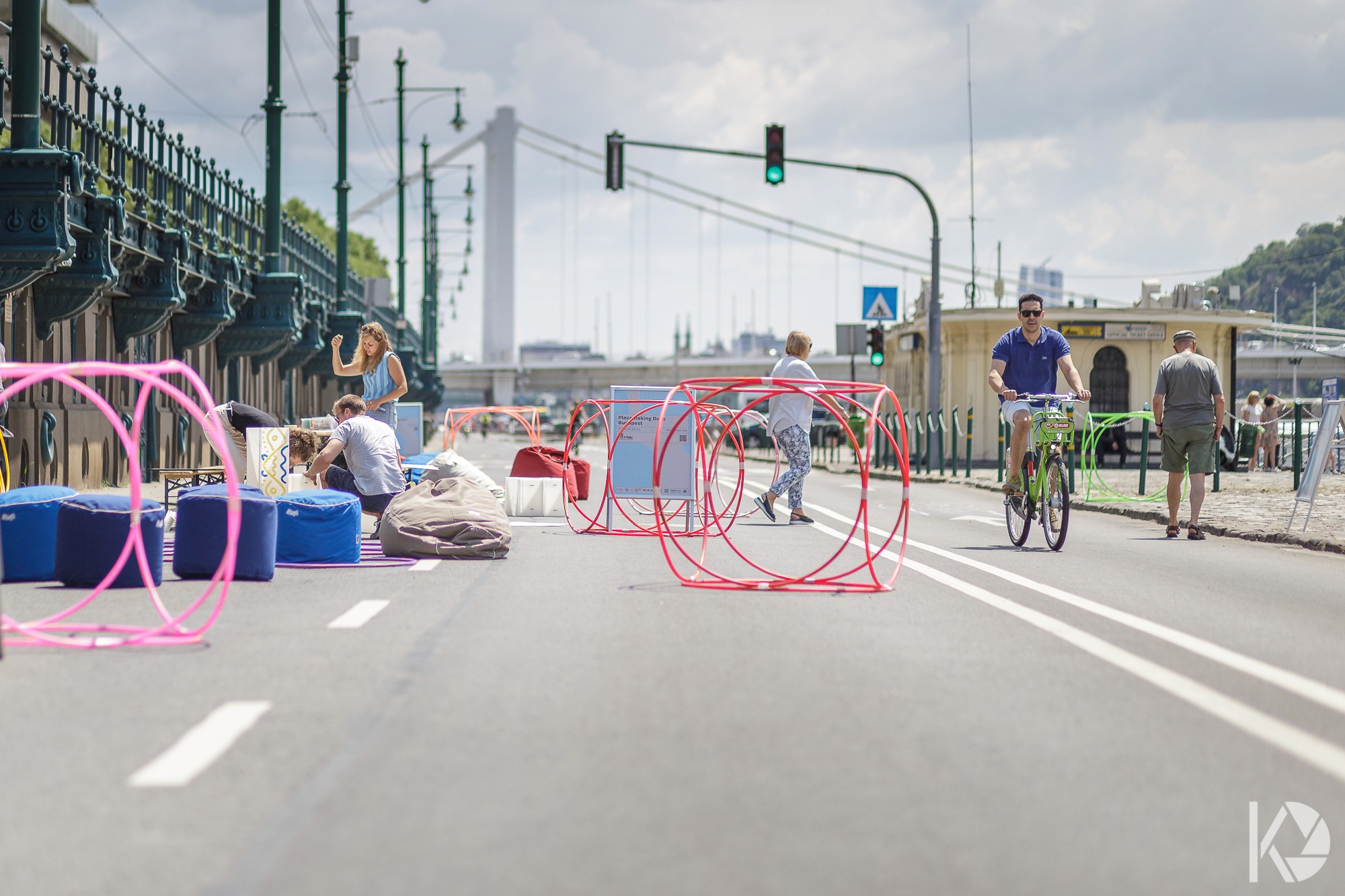
For a decade, KÉK has been exploring the latest methods, forms, and possibilities of urban rehabilitation. Our research, conferences, discussion forums, consultations, and development programmes provide opportunities to involve the widest possible range of urban renewal stakeholders in reimagining our city districts. Our activities, ranging from the systematic repurposing of vacant or underutilised plots and properties to suburban community development and commercial rehabilitation, offer new solutions to emerging urban challenges.
Sustainability, Innovation
One of the greatest challenges of our time is to seamlessly integrate technological innovation into the architectural and urban toolkit in such a way that it does not result in self-serving developments, but contributes to the creation of a sustainable, resilient society and environment. KÉK supports this process with its professional events, exhibitions, and research, always keeping in mind the task of linking design and engineering professions, decision-makers, and the general public.
Professional and Public Engagement Activities
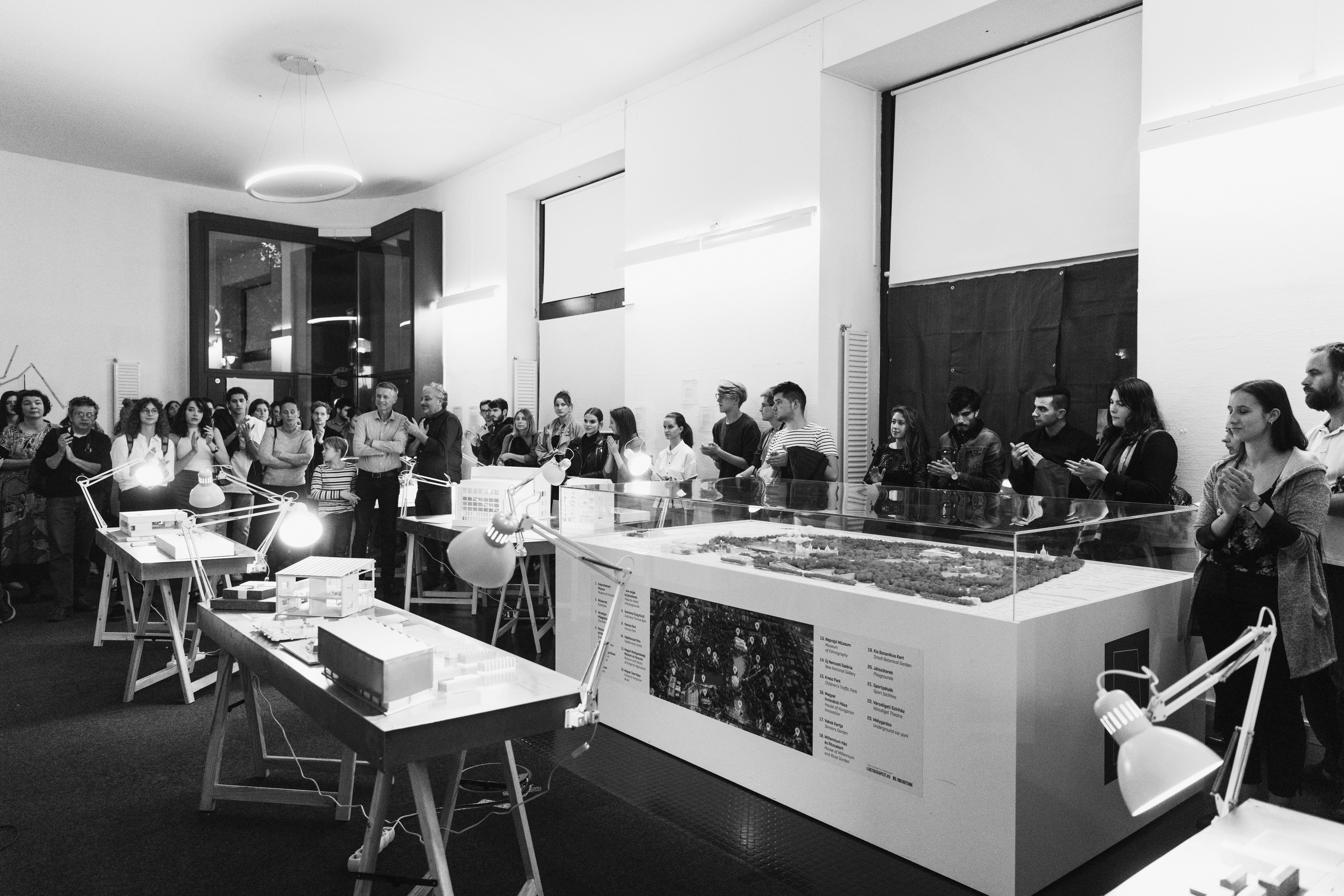
KÉK is fully committed to professional transparency. Our discussion evenings, publications, lectures, and the grant reforms we have developed all aim to provide both industry professionals and the general public with comprehensive information to enable them to form opinions, establish positions, and participate in urban thinking. A continuous and defining part of KÉK's work involves the development of professional relationships with domestic and international partner organisations, academic and research institutions, manufacturers, developers, and investors. The centre compiles publications based on exhibition and lecture materials, and publishes research findings and studies to support the international recognition of contemporary Hungarian architecture.
Our Story
2006 - The Year of Foundation
The Contemporary Architecture Centre Foundation was established in February 2006, following approximately six months of preparatory work, through the collaboration of architects and civilians interested in architecture. The foundation, and thus the activities of KÉK, are overseen by a board of trustees, led by architect Sándor Finta until 2014 and by Bálint Kádár from 2014 onwards.
KÉK was founded with the aim of initiating a dialogue about architecture, the city, and its culture between urban residents and architects, as well as integrating Hungarian contemporary architecture into the international scene, providing space for innovative, grassroots initiatives.
KÉK has launched numerous projects to improve urban life in Budapest and develop civil communities; other initiatives, such as the debate series 'Tálaló,' serve to promote community dialogue between participants in architectural developments and the public.
In 2006, KÉK began operations at Nefelejcs Street 26, Budapest VII, in the former industrial building belonging to the residence of Miksa Róth, now operating as a museum. The move-in of KÉK was largely made possible by volunteer work and donations. The three-storey building, originally functioning as a stained-glass workshop, with a floor area of 700 m², provided space for temporary exhibitions, conferences, panel discussions, and workshops. In just under two years, over ten thousand people visited the events held by KÉK at this location.
2008
In March 2008, the Róth Miksa Memorial House requested the Contemporary Architecture Centre to vacate the premises immediately, citing renovation works. After relocating, from April 2008 until the end of the year, KÉK was able to use the office building at Szervita Square, offered by the ORCO Group, to realise its programmes. The office building, designed by István Szabó and constructed between 1969 and 1973, used to be the headquarters of the National Technical Development Committee.
2009
After January 2009, KÉK realised its programmes at external locations due to the lack of its own venue. Since the end of 2015, it has been operating on Bartók Béla Avenue in Budapest, in a former shop as a project gallery, community office, and as a professional workshop run in partnership with the Faculty of Architecture at the Budapest University of Technology and Economics.
2016
KÉK celebrated its 10th anniversary in 2016. In connection with this, at the end of 2015, it relocated to a new, permanent location and reopened as a community office, while also expanding its range of activities. To commemorate the anniversary, KÉK created the world's first architectural beer. In the same year, the organisation was awarded the Millennium Prize by the Hungarian Intellectual Property Office as a 'key representative of contemporary Hungarian architecture, urbanism, and an aware civil society'.
The KÉK Team